MMIC skills and IMS 2026 demos
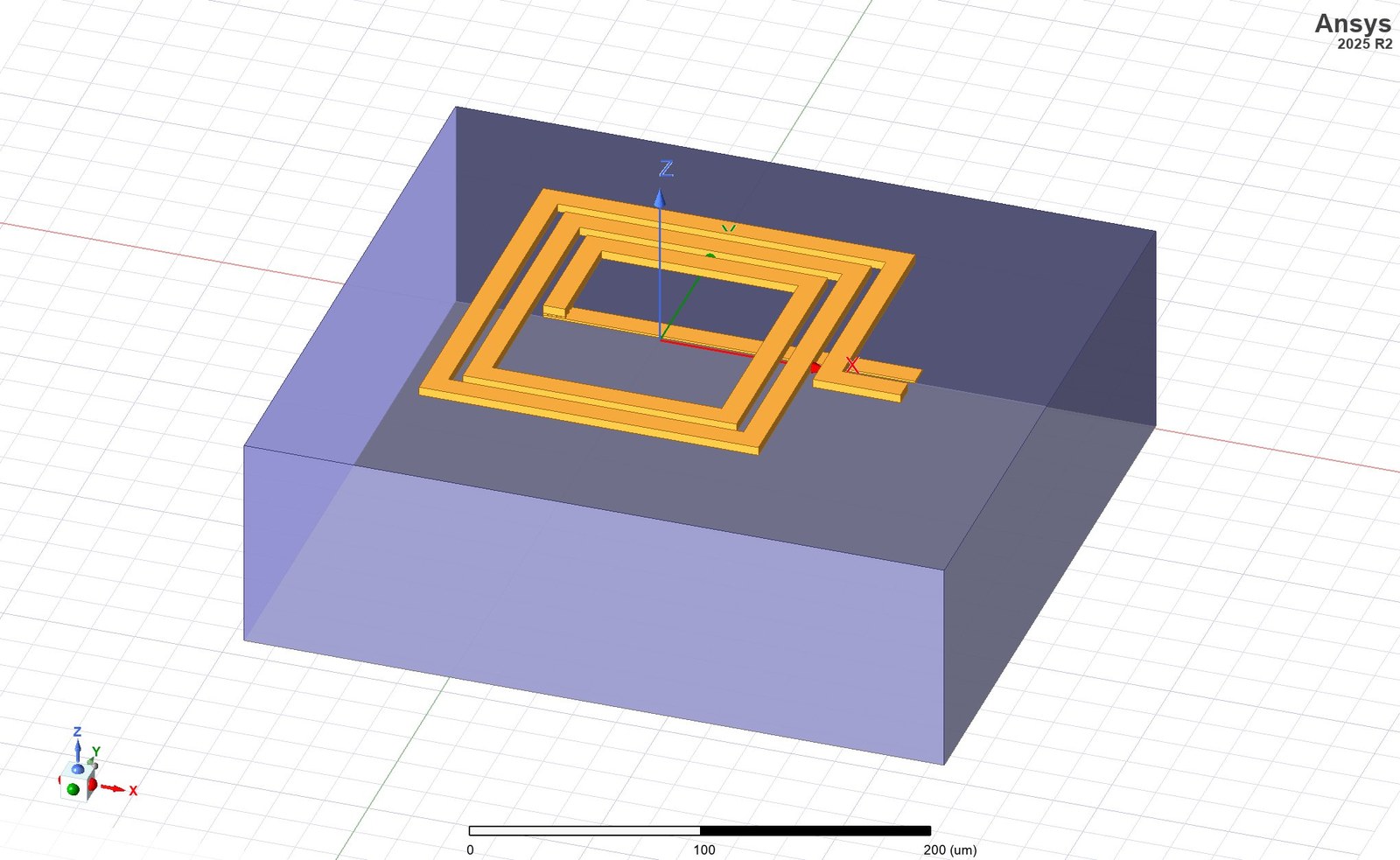
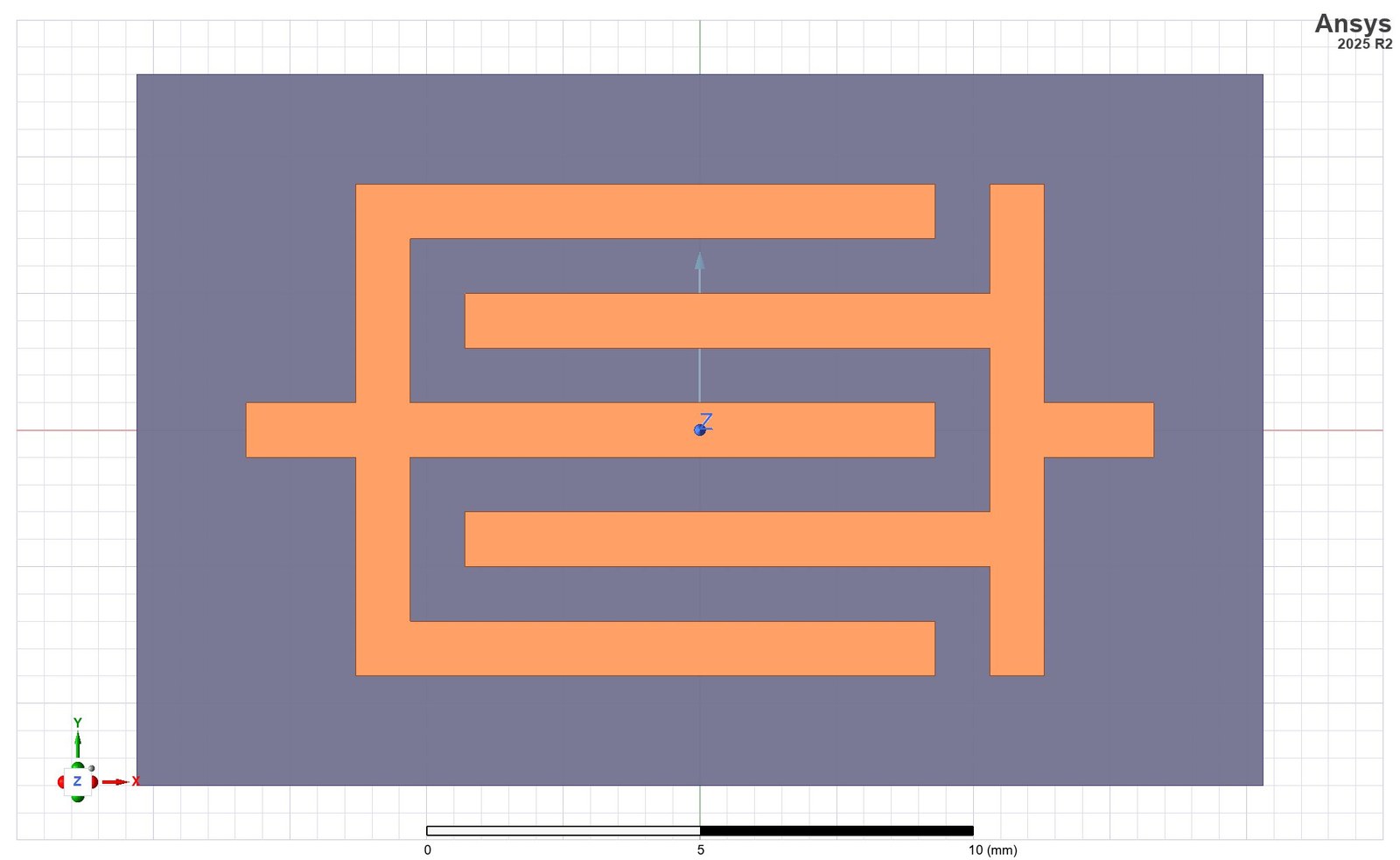
A skill packages one piece of RF know-how so an agent runs it the same way every time. I built skills for the MMIC components designers model over and over, and measured them against doing the same job by hand.
Skills
| Skill | By hand | With the skill |
|---|---|---|
| Spiral inductor: solve for L and Q, export a turn sweep as one MDIF file | 90 to 150 min | about 2 min |
| Interdigital capacitor: drive the fingers to a target C and report Q | 60 to 100 min | about 2 min |
By-hand times are conservative estimates; the skill times are measured wall clock.
A skill chain
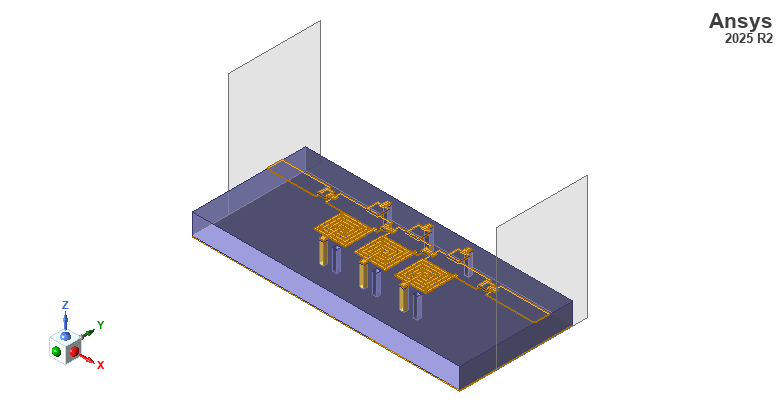
Chained together, the skills built and solved a three-pole GaAs MMIC bandpass filter end to end in 36 minutes for $8.12 in agent cost: MIM capacitors, spiral inductors, air bridges and vias, then the HFSS solve. The first pass gave a real bandpass response, peaking near 3.2 GHz against a 2.3 GHz design target, so the next step is tuning.
IMS 2026 demos
Three of the demos from the DesignForge booth at IMS 2026.